
The Best Offer I Turned Down

I’m feeling pretty pleased with myself for turning down offers to go out drinking until late. Instead, I stayed home and was asleep by ten.
This time, I slept for six uninterrupted hours—which is phenomenally, unbelievably, indisputably excellent. Woo-hoo!
Then, just when I thought sleep was over at 4 a.m., another three hours showed up.
Nine hours in total.
Finally, I’m feeling refreshed.

00

Yes, I made it to the barber—and I’m feeling lighter after a double zero with a flourish. That’s the lingo for those in the know! It’s the closest finish to a razor without actually using one.
And already I’m turning heads. Or perhaps that’s because the top two rows of my six-pack are now making an appearance.
This didn’t just happen. It took plenty of work—and a distinct lack of chocolate cake—to get here.
Now the motivation has kicked up another bar or two. Once the results start showing, the cravings for chocolate cake and beer fall below zero. I love it!
After I finish my protein snack, I might even get down on the floor for another session. Today’s creation is high-protein yoghurt, honey, a square of 95% dark chocolate, and half a cup of chia seeds soaked in kefir and water. Yum!
It’s interesting what you develop a palate for once your focus turns towards optimal health.
And the honey? I hear you ask. That’s my quick source of carbohydrate when I feel as though my bloodstream and muscles could use some readily available fuel. My body is still adapting, and I’m learning what helps me feel and perform at my best.
As for the myelin issue, I’m still working that one out—but I will.
Keep watching this space.
I’m on it!
Stronger and Unencumbered.

Yes—another day. Again and again.
I’m growing stronger. I can feel it. In fact, I could probably manage to do my bra up by now, but I’m enjoying the exhibitionist freedom of tight black crop tops. They let me move without being encumbered by too much clothing.
With the warmer weather here, there’s an obvious need for even less of it. Moving to this tropical paradise was one of the best things I ever did—no heavy coats or long pants to weigh me down and get in the way.
Today brings another personal-training session, followed by a much-needed haircut. Hair can get in the way too, demanding time and attention I’m no longer willing to give it.
A double zero is my look. A razor might be going just a little too far—but never say never.
Stronger. Lighter. Freer.
Let’s do it again.
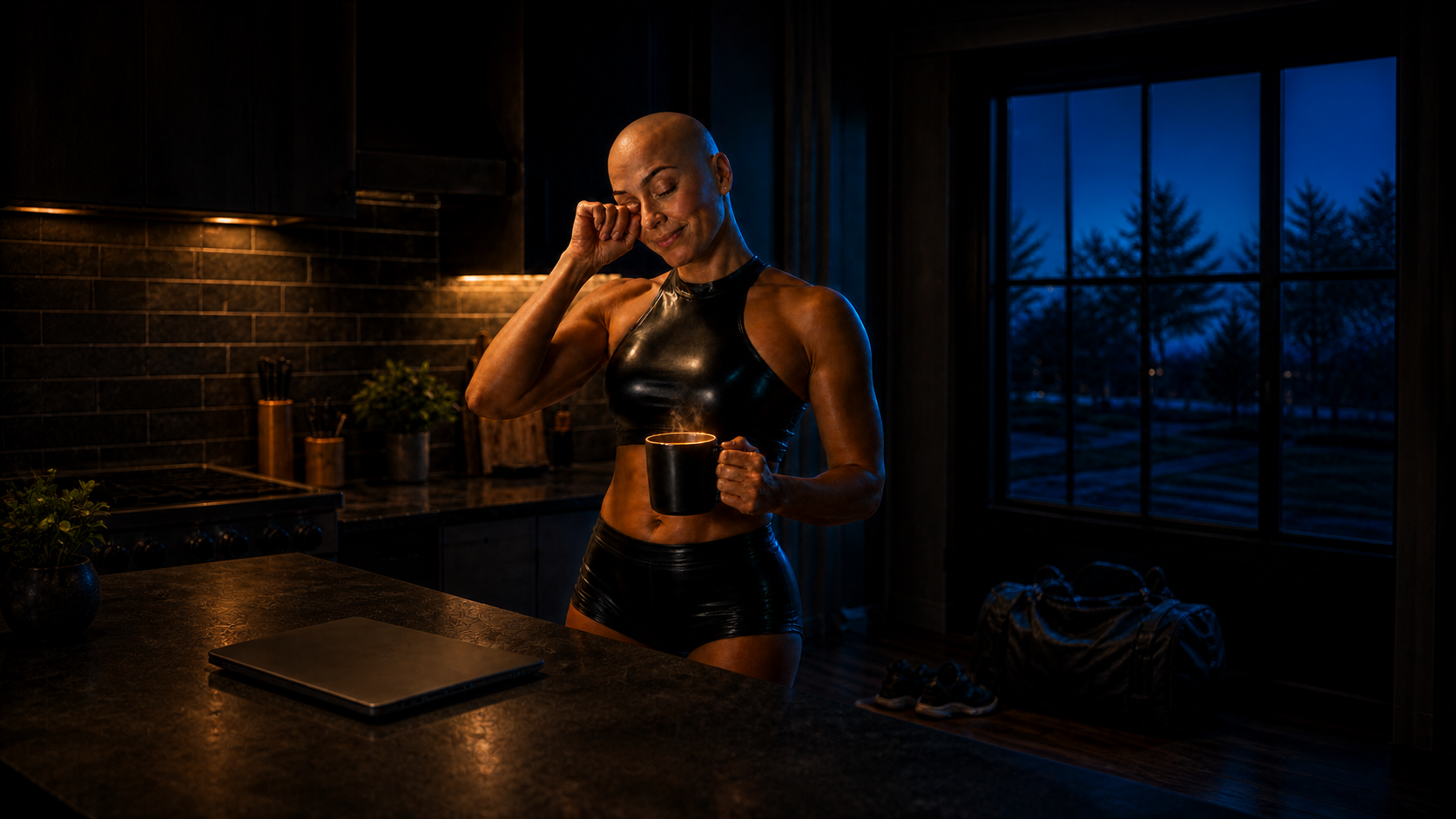
Beauty Sleep Is for Quitters
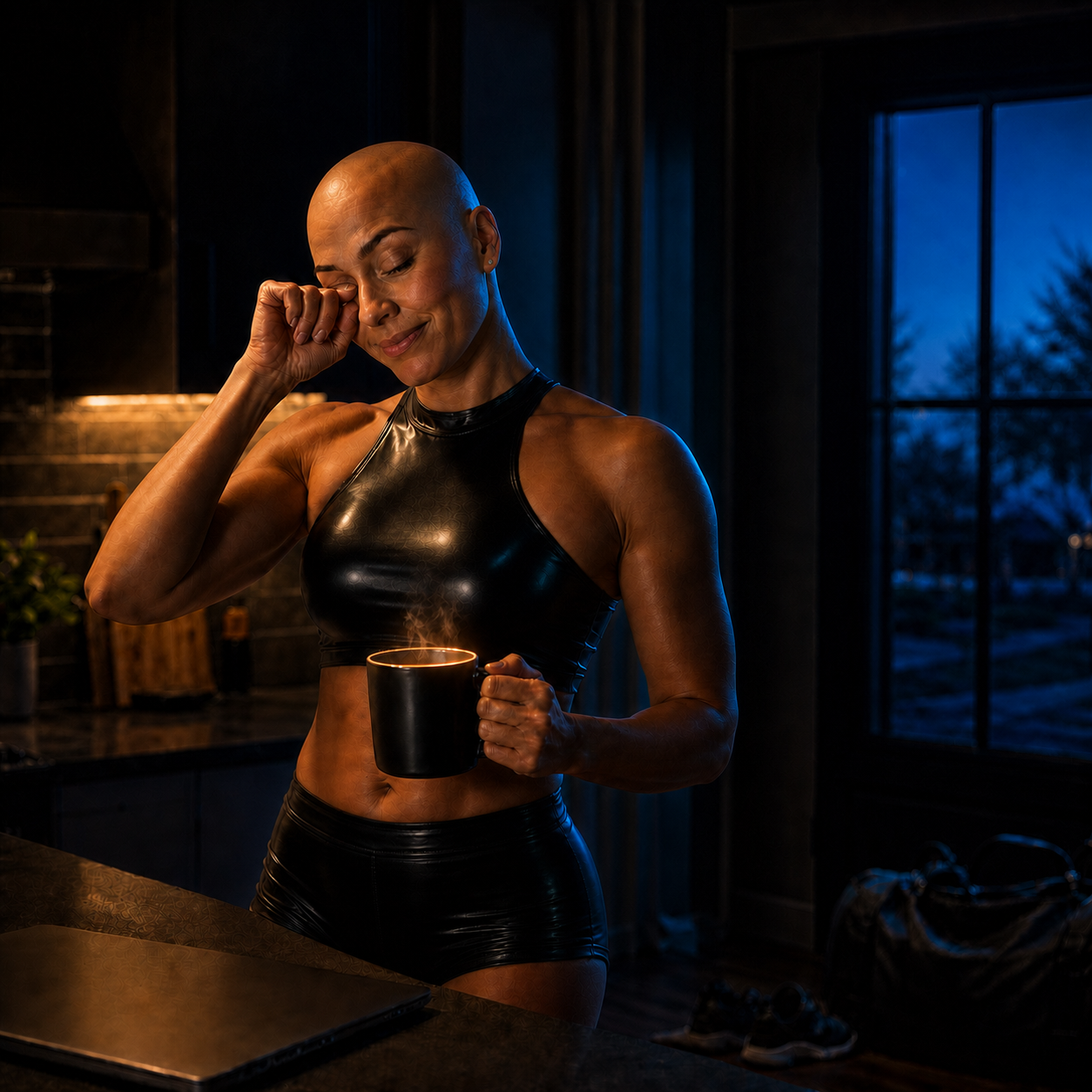
And now I need to get to sleep tonight and put this whole thing back on track.
Insomnia is a bitch. Of course, staying up to watch Miss Universe Australia may not have been the wisest decision—but I wanted some solid makeup tips and neckline inspiration for my next gym outfit.
Oh yes, I like to look good when I go out. And technically, anything that requires me to leave the house counts as going out.
And yeah, you’re onto me: being an athlete is partly about the exhibitionist in me. It’s also about the gloriously self-indulgent nature of this project—one that brings out the best version of me, both physically and mentally.
Of the two, the physical manifestation gives me the biggest reward for my efforts.
Self-absorbed? Maybe.
Actually—yes.
Big time.
But the coffee is nice. ☕

Plan P: Back in Motion

And yes, best laid plans for sleep have gone by the by and once again Im facing sleep deprivation on a day I have things planned in my garden.
More than this, today I must raise my heart rate and for a significant amount of time.
So plan B this habit of sleeping after 4am so I can get to sleep. So today Im going to bed immediately and in 4 hours I shower, put activewear on and get on the floor for push ups and not just a token but at least 4 sets of 10
And then the reliable squats at the sink, standing to floor 4 sets of 10
And then today is the day to get back on the pole! Yes pole as in pole dancing! Put the music on and test the limits at 4 weeks since the fracture in my sternum and most painkillers are weaned off, stretch it out and feel into possibility and then get back on the floor for every variation of floor work that moves muscles raises heart rate and build muscle.
And then leave the house and do at least one thing - today a walking track nearby, small but its a start for a sunday! The time for rest and recovery are over! Today is a day to be filled with movement and quickly fitness increases along with muscle strength.
Tomorrow, another walk, more floor work and personal training after lunch
Yes this feels good now
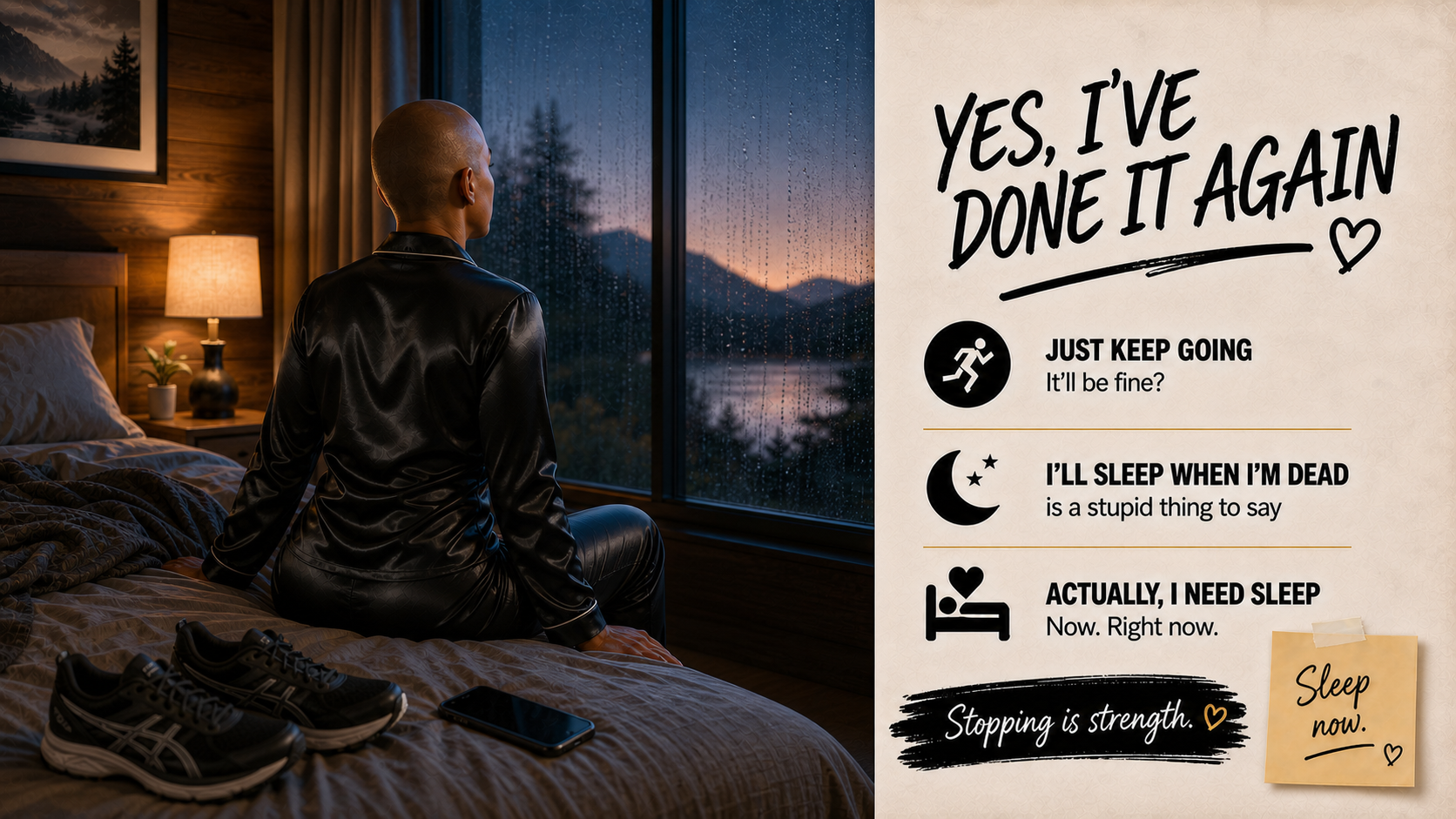
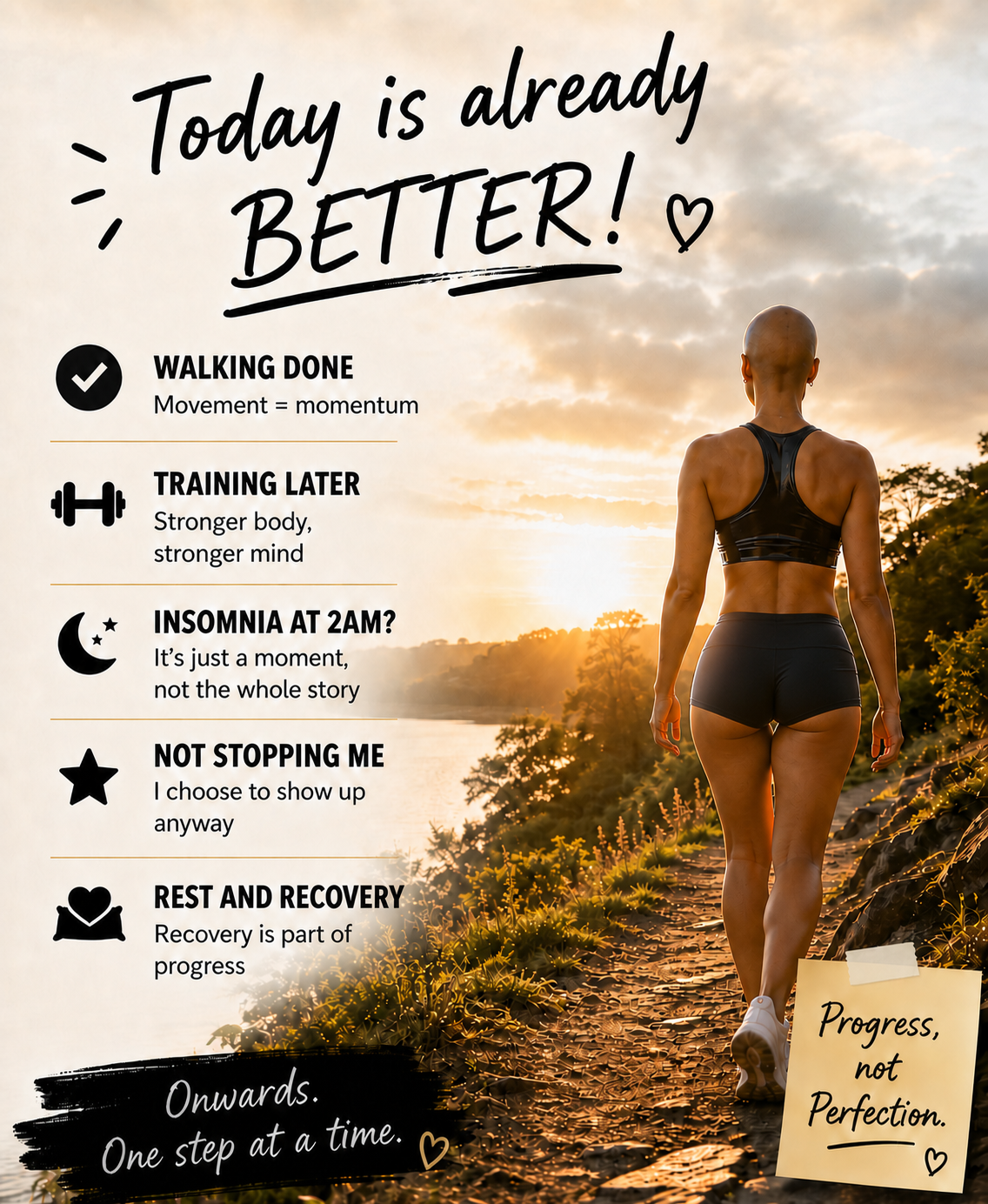
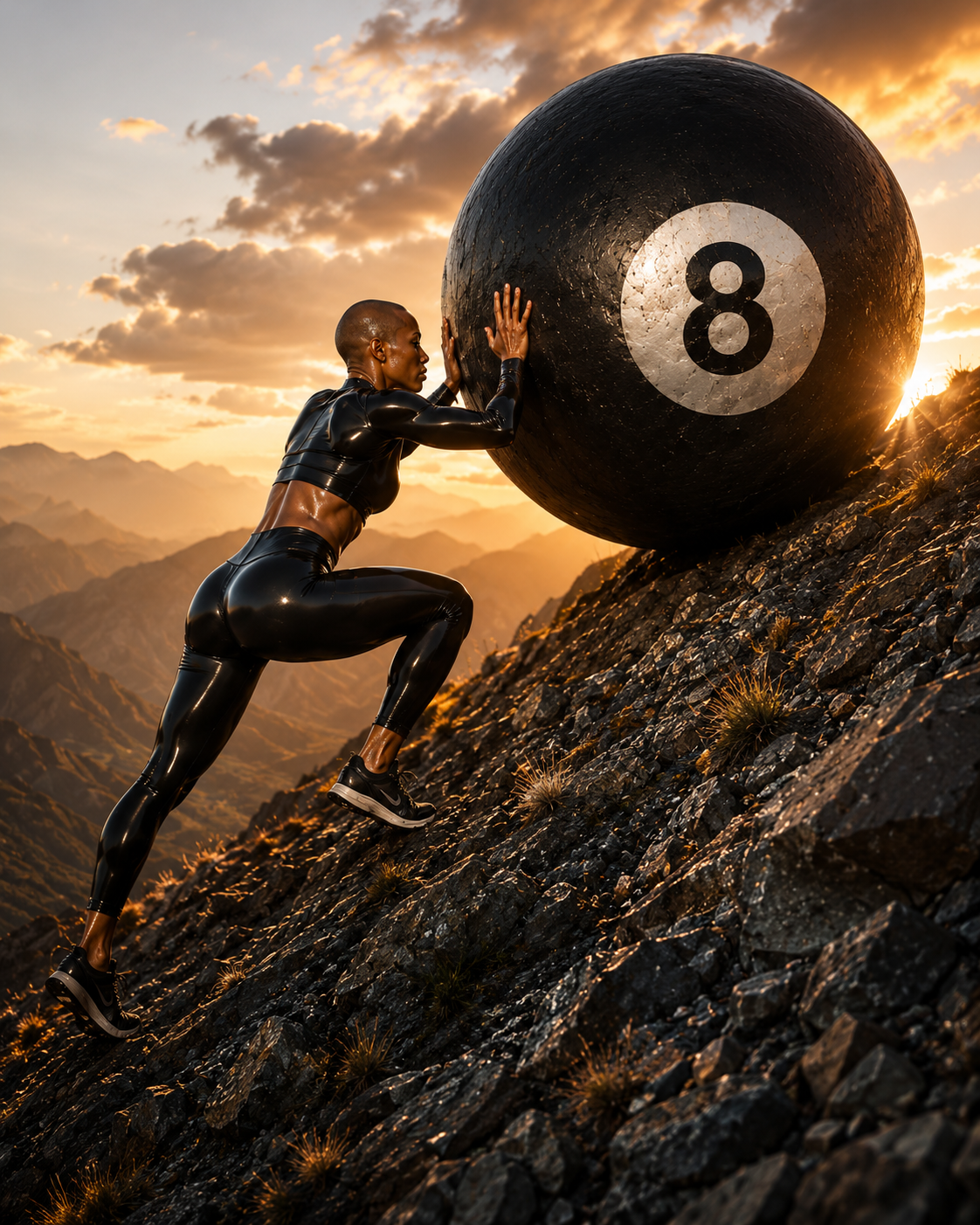
Behind the EightBall?
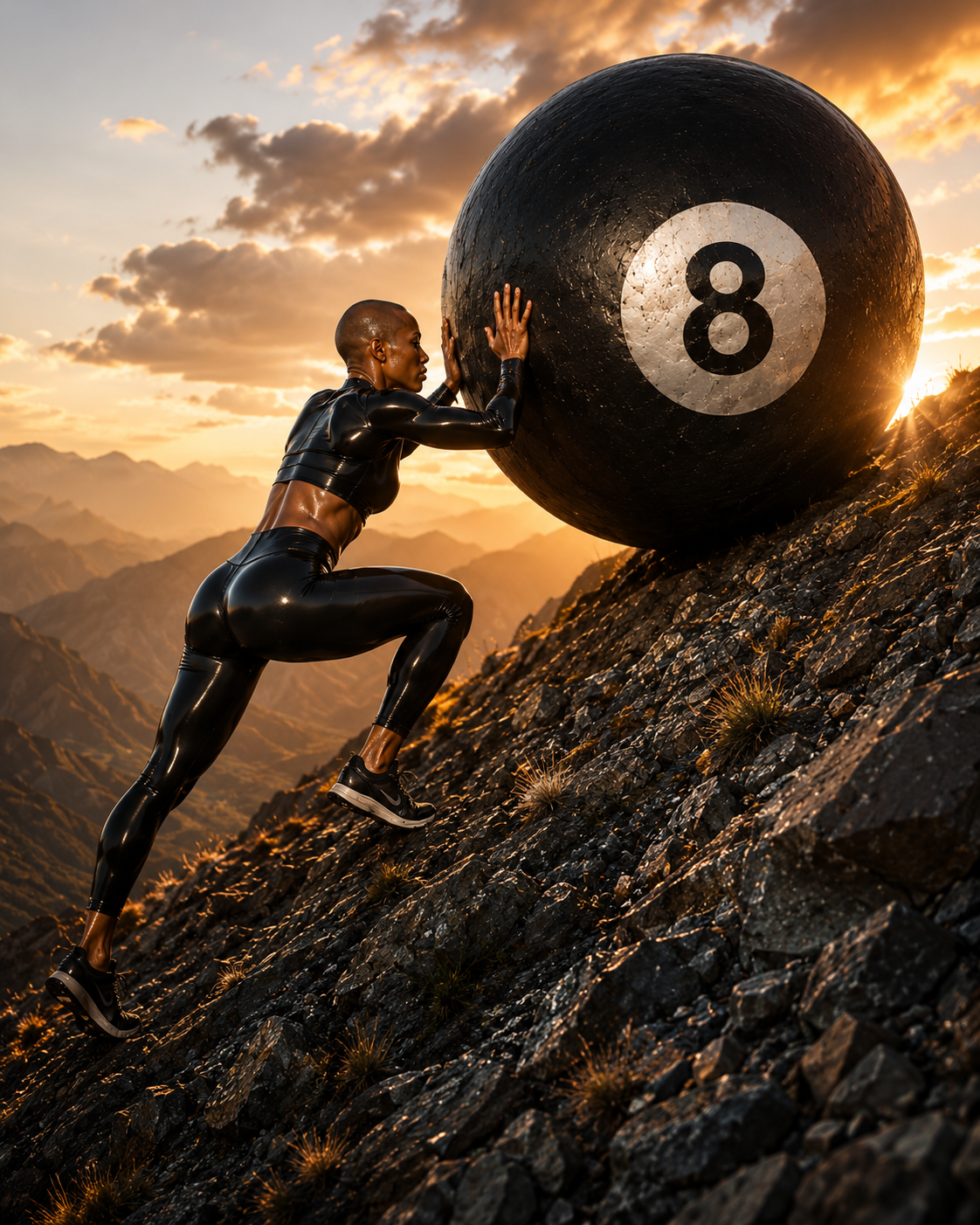
At 5 weeks i thought I'd be further ahead but then I suppose I did start behind the 8 ball to begin with
Let me begin with "behind the eight ball" according to grammarist it means 'you are in a difficult, unfavourable, or losing position with limited options to escape.' Which sounds pretty bad from here - so I kept searching for something I can work with and here it is 'You face heavy pressure or setbacks that make success harder to achieve than for others.'
Yes I can work with this - harder than for others just means harder not impossible and I can definitely do this!
I hear you - just do this!

444

Yes it's that time again and yes I'm a morning person but not like this
Sleep has evaded me once again and I have to ask myself "what's keeping me up at night?" World politics? Harry and Megan going home? A footy scandal? Winning big on sportsbet? - again
My best guess is my body finally finding recovery with my steps so far?
Again - I guess I'll have to think about it tomorrow
Except it is tomorrow


Brown dogs?

I’m genuinely surprised by how much pain a headache can cause. Honestly, that old saying comes to mind: “Enough to kill a brown dog.”
Is it the fractured sternum? The unrelenting pain that just won’t let up?
Whatever it is, I’m going to have to think about it tomorrow.
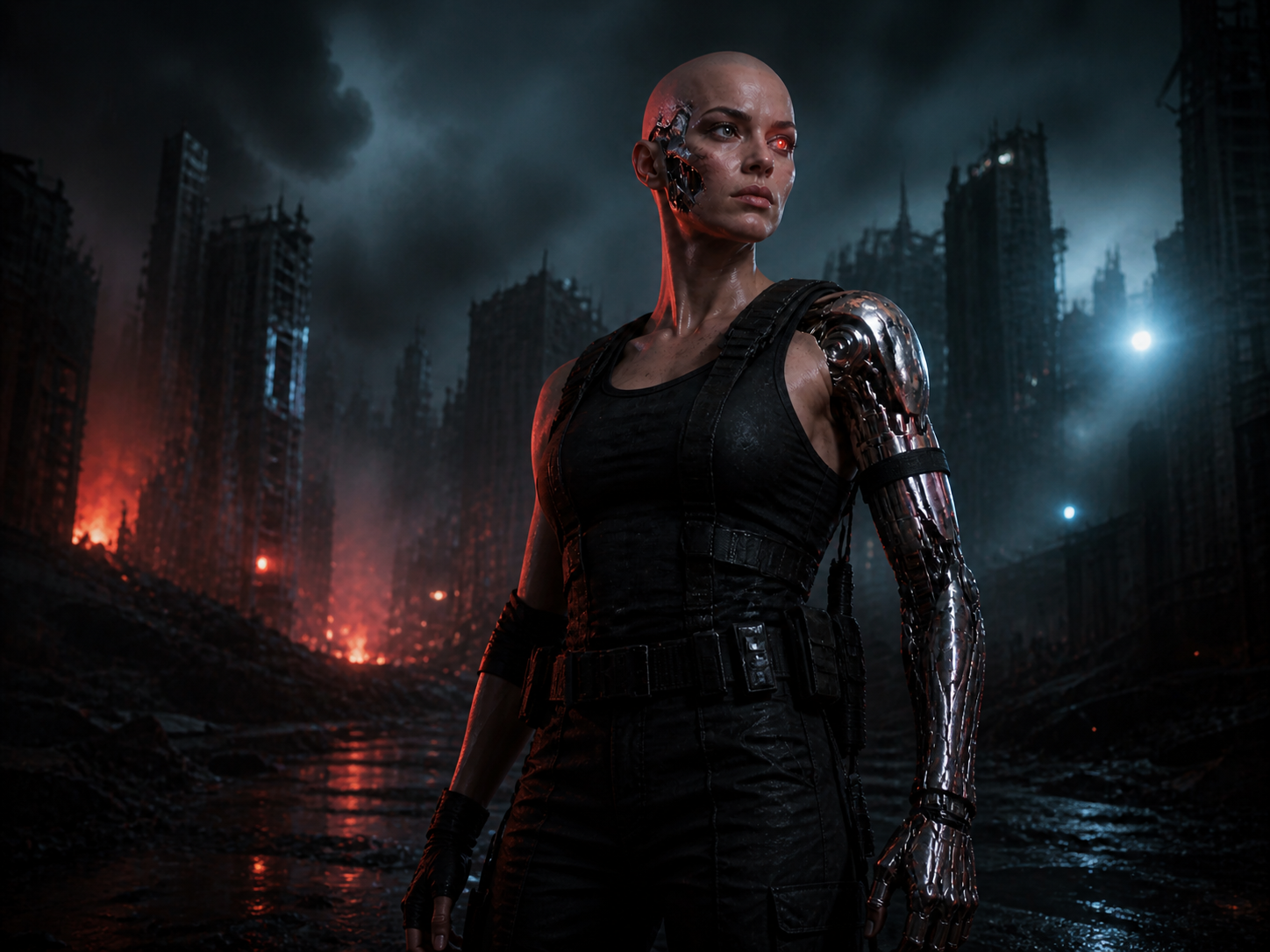
I’ll Be Back
Once This Headache Buggers Off

Damn—what’s this?
Just when I thought the pain was almost over, I’ve been hit with a headache that could “kill a brown dog.” It’s seriously intense—like minus 12 in a yurt at a weekend wedding.
Even enough heavy-duty painkillers to take down a fucking bison aren’t touching the sides.
More rest?!
Is this the final step backwards before I start moving forwards?
Tomorrow will tell.
It's after midnight

Here we go again when all the everything that was demanding my attention let's up and I'm free to sleep
I really must sort this out as a morning person I need to be asleep by 9 and yet best laid plans get hijacked again
And I'm getting weary of my future focus and I need to sleep now
Please
Gardening Later, Sleeping Now
At 444 am I was feeling extremely tired as I finally found sleep and then was greeted with what was left of the day
At one point I remember looking out at my backyard thinking 'oh yeah look at that, I should do some gardening' - later
Well it's later and now it's dark so I have 2 choices, stay up and think about life for a while or lampoon my fatigue into some serious sleep and not be distracted by shiny things or friends who want to come over with food, wine and late night conversation!
I'll let you know how I go tomorrow

No Data, Just Steps

Once again, my watch has let me down, so I have absolutely no idea how much sleep I’ve had.
Oh well—let’s go for a walk. In heels.

IV out of V ain’t bad.

What a week—and four out of five ain’t bad.
Bar one morning, I’ve been up before 5:30 and active every day.
Once the fracture has healed, the hard work begins. Then I’ll start pushing the athletic envelope and see what happens next.
For now, though, I need to rest.

If you can't get out, stay in and squat.

In this reality—not just the reality of a fractured sternum, but of 40 years of chronic illness and a lifetime of inherited fuck-ups landing in my world—I can spend every day railing against it, or I can let it propel me towards something amazing.
And here we are, on the trajectory of a lifetime.
I could go with “show, don’t tell”—except I want to tell the world while I show them!
“So, tell us!” I hear you say.
I could give you a throwaway line like “consistency is key”, but what does that actually mean? What does it look like?
It looks like asking yourself, even on the worst day: “What small thing can I do today that will help me get where I want to go?”
Today, the answer is three sets of 20 standing-to-ground squats, followed by three sets of the easiest standing push-ups. Then I’ll write down tomorrow’s plan—and stick to it, no matter what.
Maybe I’ll add some dancing—as long as I get warm enough to take off my jumper and turn on the air con.
Yes, I’m already there. And from here, tomorrow already looks better.

One Final Step Back?
Damn—what’s this?

Just when I thought the pain was almost over, I’ve been hit with a headache that could “kill a brown dog.” It’s seriously intense—like minus 12 in a yurt at a weekend wedding.
Even with enough heavy-duty painkillers to take down a fucking bison, it’s barely touching the sides.
More rest?!
Is this the final step back before I start moving forward?
Tomorrow will tell.